In the fast-paced world we live in today, continuous learning has become essential for personal growth, and this principle extends to spiritual development as well.
For Catholics, the process of catechism serves as the foundational teaching of the faith, typically undertaken in childhood or early adolescence.
However, as with any discipline, the journey of learning does not stop there.
Understanding the teachings of the Church in a deeper, more personal way is an ongoing task for every believer—one that continues throughout their entire life through the neo catechumenal way.
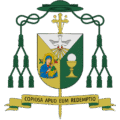
Facilitated for by Bishop Raymond Mupandasekwa, the Catholic Diocese of Masvingo had an opportunity to learn the neo catechumenal way.
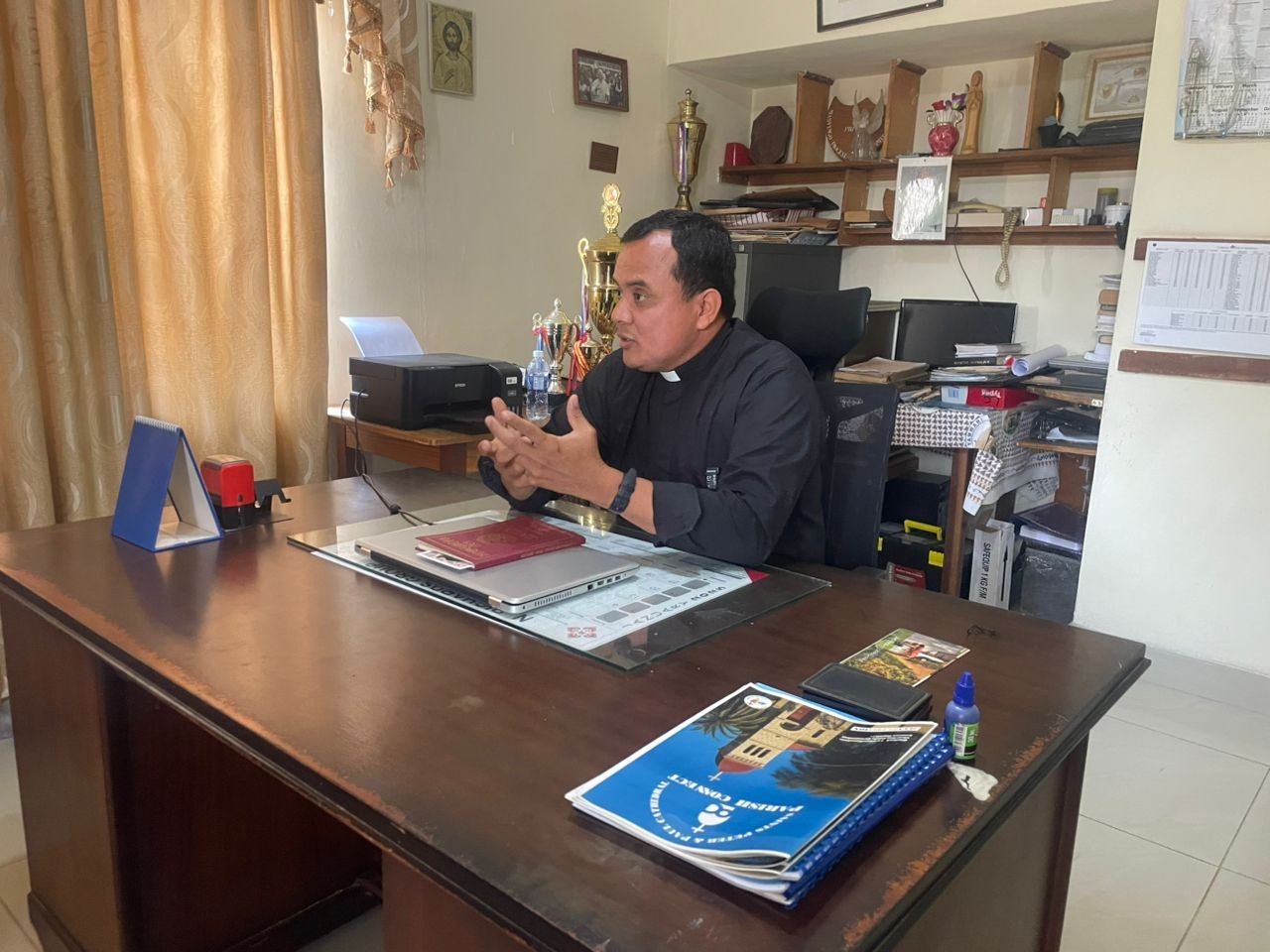
A visiting Priest, Rev. Fr Angel Miguel capacitated locals on teachings to be passed on to more Catholics with the goal of helping those who have already been baptized but have lapsed in their faith, to deepen their commitment to Christ.
“The word of God, never grows old. Even as a priest, each time it is proclaimed, it works in my life and I have witnessed the power of the neo catechumenal way, a program of re-evangelization to the people to return to the gospel,” Fr Miguel said.
“We enlightened people to let the Gospel seep into their everyday routines, through baptism and the sacrament of confession, inviting people to repent of their sins and experience true conversion,” he added.
Fr Miguel also explained that the program reached those who never truly encountered Christ, helping them to step again onto the path of discipleship, to see Christianity not as a Sunday obligation but as a way of life and to let the word of God shape their days, learning what it means to be loved.
Historically, the neo catechumenal way began in Madrid of Spain, in 1964 when two missionaries chose to live among the poor to understand their way of life.
Eventually, the Holy Spirit began to work in them as they started sharing the Word, which inspired the Bishop of Madrid to adopt this evangelism into parishes.
The practice has since grown to more than 136 countries worldwide.